Data-Driven Marketing Decisions: How Analytics Can Transform Your Marketing Strategy

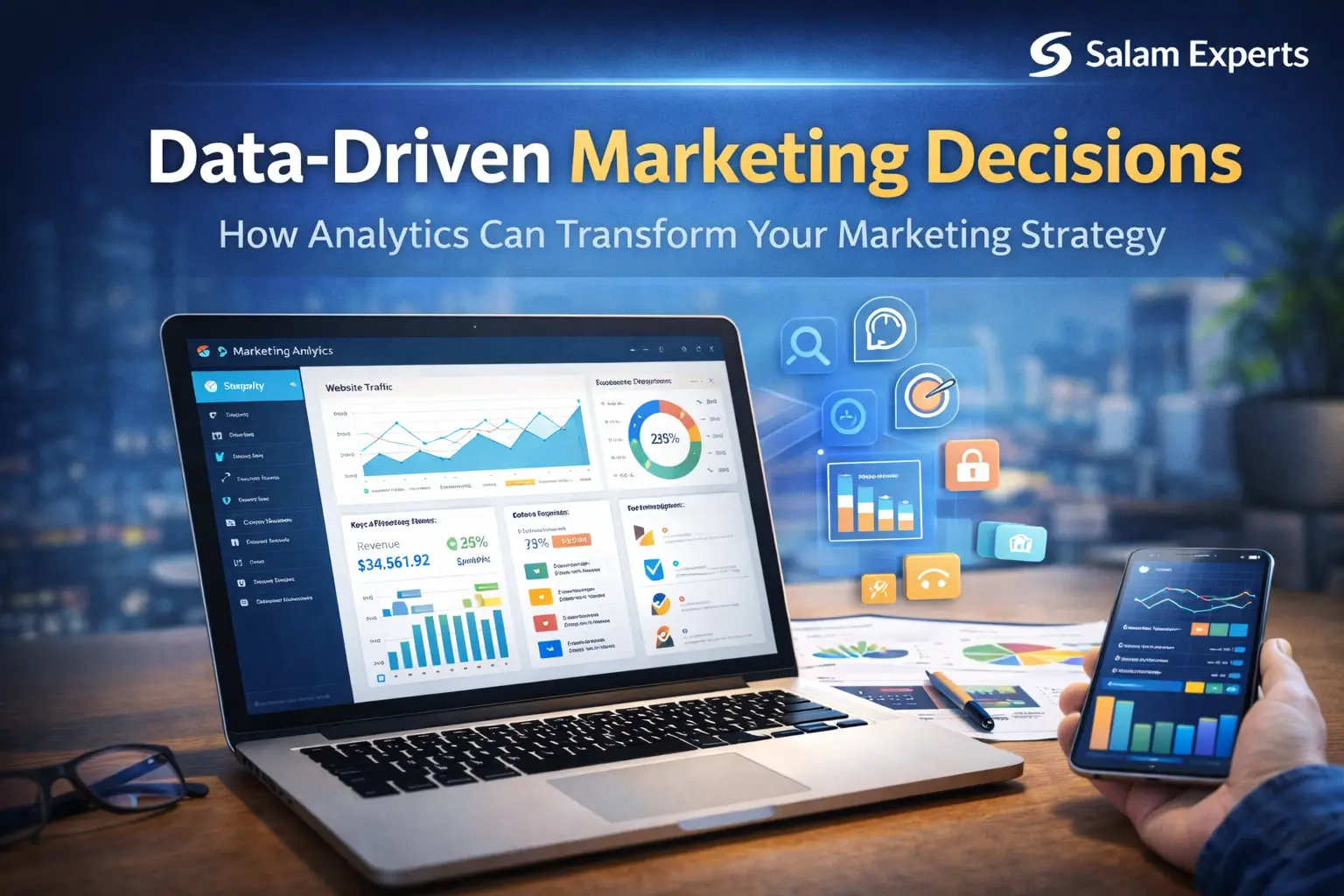
In the modern digital landscape, making marketing decisions without data is like navigating a ship without a compass. Data-driven marketing decisions are about using accurate, actionable data to guide your strategies, campaigns, and overall business growth. By understanding customer behavior, tracking campaign performance, and predicting trends, companies can maximize ROI, improve customer experiences, and stay ahead of competitors.
What Does Data-Driven Marketing Mean?
Data-driven marketing involves collecting, analyzing, and applying data to every marketing decision. This could include:
- Customer demographics and preferences
- Website interactions and behavior
- Social media engagement metrics
- Email campaign performance
- Sales and conversion data
Instead of relying on intuition or assumptions, marketers leverage data to craft strategies that are targeted, measurable, and effective.
Why Data-Driven Marketing Matters
- Better Understanding of Customers Data reveals what your customers really want, how they behave, and when they are most likely to engage. For example, tracking purchase patterns can help you predict which products to promote next.
- Improved ROI By targeting campaigns to the right audience and optimizing them based on performance metrics, businesses can significantly reduce wasted ad spend.
- Enhanced Campaign Performance Data-driven insights allow marketers to continuously test and refine campaigns. For example, A/B testing email subject lines or landing page designs can increase conversions.
- Personalized Marketing at Scale With data, you can deliver highly personalized messages and recommendations, making customers feel understood and valued.
- Proactive Strategy Through Predictive Analytics Advanced analytics and AI can forecast trends, helping businesses stay ahead of competitors and meet customer demands before they arise.
Tools That Enable Data-Driven Decisions
To implement a data-driven strategy, marketers rely on a variety of tools:
- Google Analytics – Track website performance, traffic sources, and user behavior
- CRM Systems (e.g., HubSpot, Salesforce) – Organize customer data and track interactions
- Social Media Analytics – Monitor engagement, reach, and audience sentiment
- Email Marketing Platforms (e.g., Mailchimp, Klaviyo) – Measure open rates, click-throughs, and conversions
- Predictive Analytics Tools – Forecast future trends and customer behaviors
These tools provide insights that inform decisions across content marketing, paid advertising, social media, and email campaigns.
Steps to Implement Data-Driven Marketing
1. Define Your Goals
Start with clear, measurable objectives, such as:
Increasing website traffic by 30%
Boosting email open rates
Reducing customer churn
2. Collect the Right Data
Focus on high-quality, relevant data from multiple sources, such as:
- Website analytics
- Social media metrics
- CRM and sales data
- Customer surveys and feedback
3. Analyze and Interpret
Look for patterns, trends, and correlations. For example:
- Which pages have the highest bounce rates?
- Which email campaigns drive the most sales?
- Which demographics engage the most with your content?
4. Take Action
Apply your insights to optimize marketing campaigns, improve messaging, and enhance the customer journey.
5. Monitor and Refine
Continuously track performance and adjust strategies. Data-driven marketing is iterative, requiring constant improvement.
Common Challenges in Data-Driven Marketing
- Overwhelming Data Volume – Focus on key metrics aligned with your business goals.
- Data Accuracy Issues – Clean and validate data regularly to avoid misleading insights.
- Integration Difficulties – Use centralized dashboards to combine data from multiple platforms.
- Analysis Paralysis – Prioritize actionable insights and avoid getting stuck in over-analyzing data.
Real-Life Example
Consider an eCommerce brand running Facebook ads. Without data, they might spend thousands promoting all products equally. With data-driven insights:
- They discover that women aged 25–34 click on jewelry ads most frequently.
- Instagram stories drive more conversions than Facebook feed ads.
- Personalized email recommendations based on browsing behavior boost repeat purchases by 20%.
By acting on this data, the brand reduces wasted ad spend, increases conversions, and enhances customer satisfaction.
Conclusion
Data-driven marketing decisions transform guesswork into strategic action. By understanding customers, leveraging analytics tools, and continuously refining strategies, businesses can achieve better performance, higher ROI, and stronger customer relationships. In today’s competitive market, data isn’t just an advantage—it’s essential.