Mastering Keyword Research: Everything You Need to Know

Most think keyword research means typing words into a tool and picking high-volume terms. We used to think that too—until our years of managing campaigns here at Salam Experts showed us how the right intent turns struggling sites into traffic magnets.

In this guide, you’re getting an exact, actionable process shaped by real-world campaigns, real results, and modern search dynamics. By the time you’re done reading, you’ll know exactly how to find keywords that rank, attract the right audience, and actually grow your business.

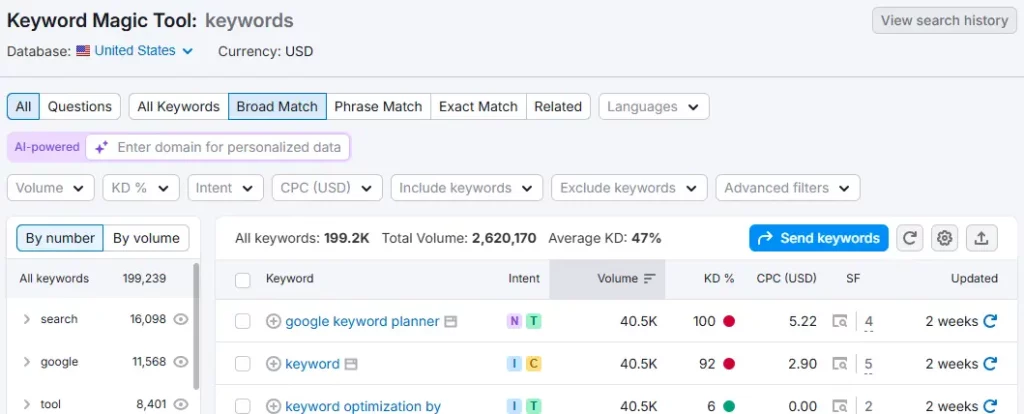
Salam Experts Keyword Magic Tool showing keyword research data.

In 2026, guessing keywords is a shortcut to failure. Search engine algorithms heavily reward intent-driven, high-quality content—meaning your keywords must align perfectly with what people search and why they search it.

As data shows, roughly 90% of pages receive zero organic traffic. Solid keyword research is your primary weapon to avoid that fate.

  • Massive Competition: Millions of blog posts go live daily; targeting the wrong terms results in total invisibility.

  • Smarter Algorithms: Search intent completely overrides raw search volume.

  • Rising Ad Costs: Organic keyword victories save thousands of dollars in monthly Pay-Per-Click (PPC) budgets.

  • Untapped Long-Tails: Nearly 70% of all search traffic comes from long-tail terms, yet most businesses ignore them.

What is Keyword Research?

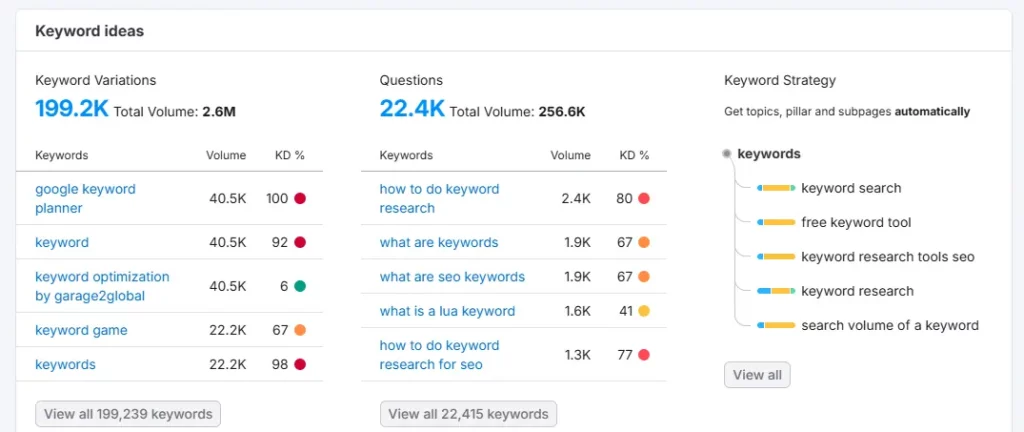
Mastering Keyword Research: Everything You Need to Know salamexperts keyword ideas screenshot

Keyword research is the process of finding and analyzing the actual search terms that people enter into search engines, allowing you to create content that aligns with user demand. It requires an understanding of what people want, why they are searching, and how competitive each term is.

To build a balanced SEO strategy, you must understand the 9 primary keyword types:

1. Seed Keywords
2. Long-Tail Keywords
3. Branded Keywords
4. Location-Targeted Keywords
5. Fresh Short-Term Keywords
6. Long-Term Timeless Keywords
7. Product-Related Keywords
8. Customer-Centered Keywords
9. LSI (Latent Semantic Indexing) Keywords

Search Volume vs. Keyword Difficulty (KD) vs. Competition

  • Search Volume (Use This): Tells you how many times a month people type that phrase into Google. It tells you the potential size of the audience traffic.

  • Keyword Difficulty / KD (Use This for SEO): Tells you how hard it will be to rank in the top 10 organically.

  • Keyword Competition (Ignore This for Blogs): This is purely a Paid Ads (PPC/Google Ads) metric. It tells you how many advertisers are paying to place ads there. A keyword can have a high volume, low ad competition, but massive organic difficulty.

Understanding Search Intent

Search intent is the underlying why behind a query. If your content format misses the user’s true intent, it will not rank.

The main types are:

  • Informational: The user wants to learn something (e.g., distance from Sialkot to Islamabad or how to do keyword research).

  • Navigational: The user is trying to find a specific website or brand platform (e.g., searching Salam Experts directly to find the homepage).

  • Commercial: The user is evaluating their options and comparing products before making a final choice (e.g., best SEO tools or Tapal tea-bags review).

  • Transactional: The user has their wallet out and is ready to complete a purchase (e.g., buy Ahrefs subscription, book flight tickets online).

  • Local Area Searches: Highly immediate physical intent (e.g., plumber near me or closest Italian restaurant).

Get this wrong, and even the best keywords won’t perform. Get it right, and you’ll attract exactly the audience you want.

Common Keyword Research Challenges & Mistakes

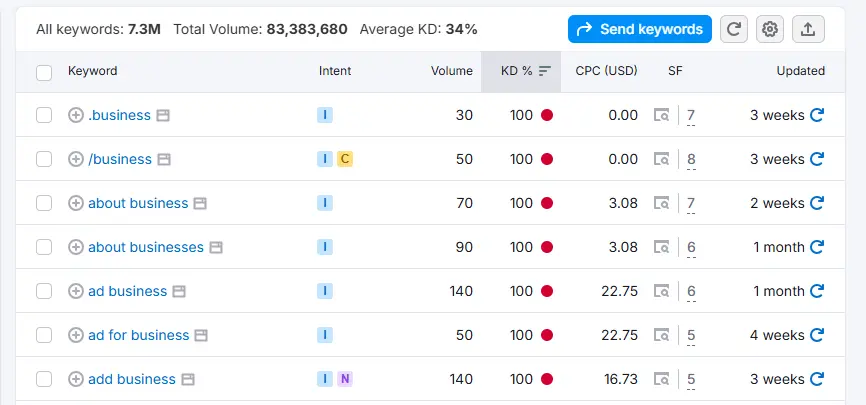
keyword research tool table from Salam Experts, displaying keyword data including search volume, CPC, and keyword difficulty for "business"-related terms.

Many marketers trip over these:

  • Chasing only high-volume keywords, ignoring intent
  • Overwhelmed by too many options, losing focus
  • Skipping SERP analysis, missing realistic ranking chances
  • Ignoring long-tail keywords that convert better
  • Not updating your keyword list to match changing trends
  • Keyword cannibalization: targeting same keywords on multiple pages

The 9-Step Keyword Research Process

Follow this structured framework to gather data, analyze intent, and uncover high-value search terms:

    1. Define Your Organic Goals: Determine if your primary objective is raw traffic volume, lead generation, immediate sales, or top-of-funnel brand awareness.

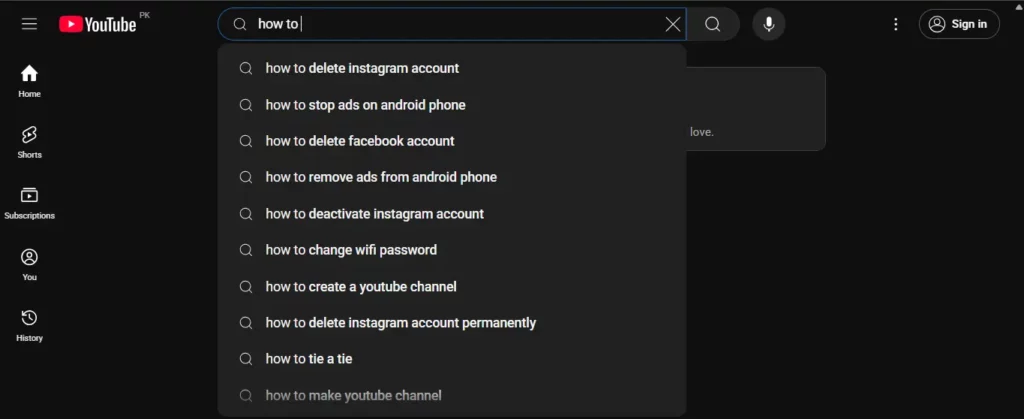
    2. Research the Customer Psychology: Before touching an SEO tool, think like your audience. List your foundational ideas and cross-reference them across community forums, Reddit threads, and YouTube auto-suggest to see the exact phrasing real people use.

    3. Generate a Master Seed List: Input your root ideas into reliable keyword tools to expand your list.

    4. Analyze Core Metrics: Filter your prospects by balancing Search Volume against Keyword Difficulty (KD) and Cost-Per-Click (CPC).

    5. Analyze Competitor Gaps: Identify high-volume keywords that your competitors rank for, but you haven’t written about yet.

    6. Organize into Topic Clusters: Avoid treating keywords as isolated targets. Group related terms together to form deep, authoritative content hubs.

    7. Filter for SERP Feasibility: Look at the actual live results page. If the top positions are dominated by massive global marketplaces or immovable forum threads, evaluate if you can realistically compete.

    8. Remove Cannibalization Risks: Ensure you are not mapping the exact same primary keyword to multiple pages across your website, which forces your own pages to compete against each other.

    9. Run the Final Validation Check: Run your selected keywords through this alignment filter before writing:

    Validation StepQuestion to AskWhy It Matters
    Search Intent MatchDoes this keyword match the user’s specific buying stage?Prevents driving traffic that immediately bounces.
    SERP Reality CheckCan our site realistically outrank the current top 10 results?Saves time and avoids targeting unreachable terms.
    Conversion ValueIf this ranks tomorrow, will it generate actual business value?Ensures your organic traffic drives business revenue.

This final filter helps you focus on keywords that don’t just rank — but actually bring targeted traffic, leads, or sales. As this process helped us rank our clients in Google’s top 10 for over 20,000 keywords — worth about $756K/month in ad value.

Using AI Chatbots for Keyword Research

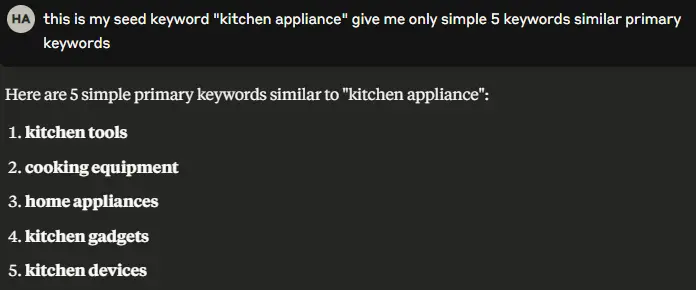
Mastering Keyword Research: Everything You Need to Know ai keyword suggestion kitchen appliance

AI chatbots like ChatGPT, Gemini, and Claude are now powerful assistants for keyword research. They can quickly:

  • Brainstorm seed keywords around your niche or product.
  • Suggest topic clusters and long-tail variations.
  • Provide content angle ideas you might miss with manual research.

Limitations:

  • They don’t give accurate search volume or competition data.
  • Sometimes they suggest irrelevant or low-value keywords.
  • They can “hallucinate” trends or metrics that aren’t real.

Best Practice:

Use AI chatbots for idea generation and topic expansion, then run those keywords through a dedicated tool (like Ahrefs, SEMrush, or Google Keyword Planner) to validate their potential. This combination saves time and uncovers hidden opportunities while keeping your keyword strategy data-driven.

What Makes a Keyword Research Tool Worth Using?

Before comparing tools, here are the key factors that actually matter:

  • Data Accuracy – Reliable search volume and difficulty metrics help you avoid wasting time on misleading keywords.
  • Depth of Insights – Look for features like SERP analysis, competitor keyword tracking, and content gap suggestions.
  • Ease of Use – A clean, intuitive interface saves hours of learning curve.
  • Filtering & Sorting – Being able to refine results by location, device, or search intent speeds up decision-making.
  • Value for Money – Whether free or paid, the tool should offer real, actionable insights that justify your time or cost.

With these criteria in mind, here’s a side-by-side look at the best free keyword research tools so you can see which fits your needs.

Tool NameBest ForKey FeatureLimitations
Google Keyword PlannerBeginners & PPC usersFree, accurate Google data, search volume ranges, location targetingLimited to Google Ads users, broad ranges for low-volume keywords
Ahrefs Keyword GeneratorCompetitive keywords100 keyword suggestions, difficulty score, data from multiple search enginesLimited to 100 keywords per search
Semrush Keyword Magic ToolComprehensive SEO researchKeyword groups, intent classification, SERP features7 to 10 queries in free plan
UbersuggestSEO beginnersKeyword suggestions, difficulty score, content ideas, limited free searchesLimited data compared to paid tools
KeywordTool.ioLong-tail keyword discoveryWorks for Google, YouTube, Bing, Amazon, etcSearch volume data only in paid plan
AnswerThePublicContent ideationVisual keyword map, question-based queries, related searches3 free searches per day
KWFinderFinding low-competition keywordsEasy-to-use interface, keyword difficulty score, SERP analysis, location-based researchLimited daily searches in free plan

Pro Tip: Free keyword research tools are great for beginners or small-scale projects, but they often come with data limits, less precise search volumes, or missing competitive metrics. If you find yourself running multiple campaigns, needing more accurate data, or working in a highly competitive niche, upgrading to a paid tool can deliver a much higher ROI.

Advanced Keyword Research Techniques

Once you’ve mastered the basics, real SEO gains come from digging where others don’t. Here’s how to uncover high-value keywords competitors miss:
  1. Identify “Content Gaps” in Competitor Sites
    • Use tools like Ahrefs, Semrush, or SimilarWeb to see which keywords competitors rank for that you don’t.
    • Prioritize low-competition, high-intent gaps where you can create better content.
  2. Leverage Search Intent Layers
    • Go beyond informational, navigational, and transactional.
    • Spot micro-intents (e.g., “best DSLR camera under $500 for beginners” = price + use case + audience).
  3. Mine “People Also Ask” and Related Searches at Scale
    • Export these queries in bulk with tools like AlsoAsked or AnswerThePublic.
    • Cluster them into content themes for topic authority.
  4. Analyze SERP Features for Opportunity
    • See if your keyword triggers featured snippets, video results, or “Top Stories.”
    • Target these formats specifically to win more real estate.
  5. Reverse-Engineer Backlinks via Keywords
    • Find keywords that consistently attract backlinks for your competitors.
    • Build better-than-theirs resources targeting the same keywords.
  6. Use Seasonality and Trend Data
    • Combine Google Trends with historical search volume data.
    • Target emerging keywords 1–2 months before peak demand.
  7. Extract Keywords from On-Site Search
    • Check what visitors search for inside your own site.
    • Often reveals long-tail, high-conversion terms you won’t find in public tools.
  8. Blend Paid Search Data with SEO
    • If you run PPC, analyze high-CTR, low-CPA terms and bring them into organic targeting.
  9. Look for “Zero-Click” Keywords Worth Owning
    • Even if the SERP steals clicks, these keywords can be authority builders if you dominate the answer box.
  10. Map Keywords to the Buyer’s Journey
    • Assign keywords to awareness, consideration, and decision stages.
    • Build interconnected content to lead users toward conversion.

Keyword Research for Different Platforms

the YouTube search page in dark mode, showing a user typing how to and the search bar displaying a dropdown list of popular autocomplete

Different platforms require different keyword strategies. Here’s how to adapt:

  • Google SEO – Focus on search intent, long-tail keywords, and topic clusters for organic rankings.
  • YouTube SEO – Target keywords with strong search demand on YouTube; optimize titles, descriptions, and tags.
  • E-commerce (Amazon, Etsy) – Use product-focused keywords, including descriptive and feature-based terms.
  • Local SEO – Combine your service keywords with location terms (“plumber in Austin”).
  • Social Media (Pinterest, TikTok) – Research trending hashtags and niche-specific phrases for visibility.
  • Consider Mobile Search Behavior – With most searches now on mobile, focus on keywords that fit voice search, local queries, and concise phrases. Mobile users often search differently, so tailor your keyword research accordingly.

Each platform has its own audience behavior, so customize your keyword research to match it.

Strategic Keyword Placement

Use your top keywords in critical places like page titles, headers (H1, H2), meta descriptions, URL slugs, and naturally throughout your content. This boosts your page’s relevance and ranking potential.


Track Keyword Performance Regularly

Use tools like Google Search Console, Ahrefs, or SEMrush to monitor how your keywords rank and perform over time. Tracking helps you adjust strategies, identify winning keywords, and spot those needing more work.

How to Turn Keywords Into an SEO Content Plan

A grid of three blog post previews from Salam Experts, featuring articles on digital marketing, adding dynamic FAQs to Shopify, and SEO for Shopify stores.

Finding keywords is step one—turning them into a traffic-driving content plan is where results happen.

  1. Group by Topic – Cluster related keywords so each group can be targeted by a single, comprehensive page or blog post.
  2. Map to the Funnel – Use informational keywords for awareness, comparison keywords for consideration, and transactional keywords for conversions.
  3. Assign Content Types – Decide if a keyword works best for a blog post, landing page, guide, or product page.
  4. Prioritize by Impact – Start with keywords that balance good volume, achievable difficulty, and strong intent.
  5. Plan Internal Linking – Connect related content to boost authority and guide users deeper into your site.

A solid content plan ensures your keywords actually translate into visibility, leads, and sales—not just a list in a spreadsheet.


Closing Thoughts

Keyword research is the foundation of every successful SEO strategy. It’s not just about finding popular terms, but understanding your audience’s intent, competition landscape, and how to deliver real value. When done right, keyword research transforms your content from invisible to irresistible—connecting you with the right people at exactly the right moment.

Remember, this is an ongoing process. Search trends evolve, algorithms change, and your business grows. Keep refining your keyword strategy, stay curious, and leverage the right tools and techniques to stay ahead.

Start applying these insights today, and watch your website’s traffic, engagement, and conversions soar.

Call to Action

Ready to turn these insights into real SEO wins?

I’m Ready to Rank

Author

  • Salamexperts Author Profile

    We are an SEO first and web development agency with a proven track record of helping businesses succeed. Our expertise spans businesses of all sizes, enabling them to grow their online presence and connect with new customers effectively.

    In addition to offering services such as SEO consulting, white-label SEO services, web design, web development, and technical SEO solutions, we pride ourselves on conducting thorough research on leading companies and various industries. We compile this research into actionable insights and share it with our readers, providing valuable information in one convenient place rather than requiring them to visit multiple sources.

    As a team of passionate and experienced SEOs, and developers, we are committed to helping businesses thrive while empowering our readers with practical knowledge, strategies, and industry insights for long-term success.

    View all posts
Was this article helpful?
YesNo